MOROGORO – JUNE, 2026
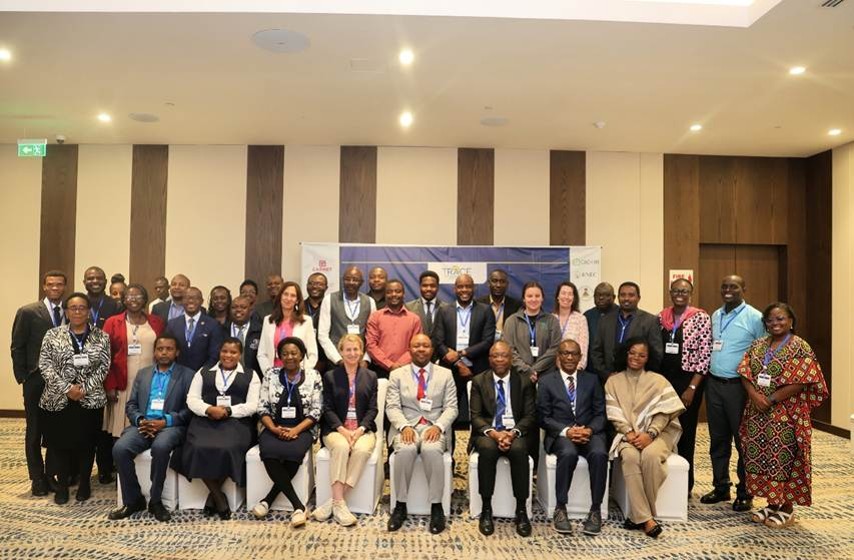
Group photo: Clinical trial reviewers and regulatory experts from NIMR and TMDA stand alongside the TRACE Project team during the capacity-building intensive sessions in Morogoro, Tanzania (June 2026).
In June 2026, the TRACE Project achieved major milestones in strengthening Africa’s clinical research systems through two targeted capacity-building initiatives in Morogoro, Tanzania. Implemented by the National Institute for Medical Research (NIMR) in close collaboration with the Tanzania Medicines and Medical Devices Authority (TMDA), these efforts mark a critical systems-strengthening movement for health research governance across the region.
These activities directly align with Africa’s long-term strategic ambition to increase its participation in global clinical trials from below 2% to 10% by 2030. By enhancing regulatory efficiency and institutional capacity, the TRACE Project is ensuring that emerging medical research meets the highest international benchmarks of safety, ethics, and scientific integrity.
Clinical Trial Reviewers Training
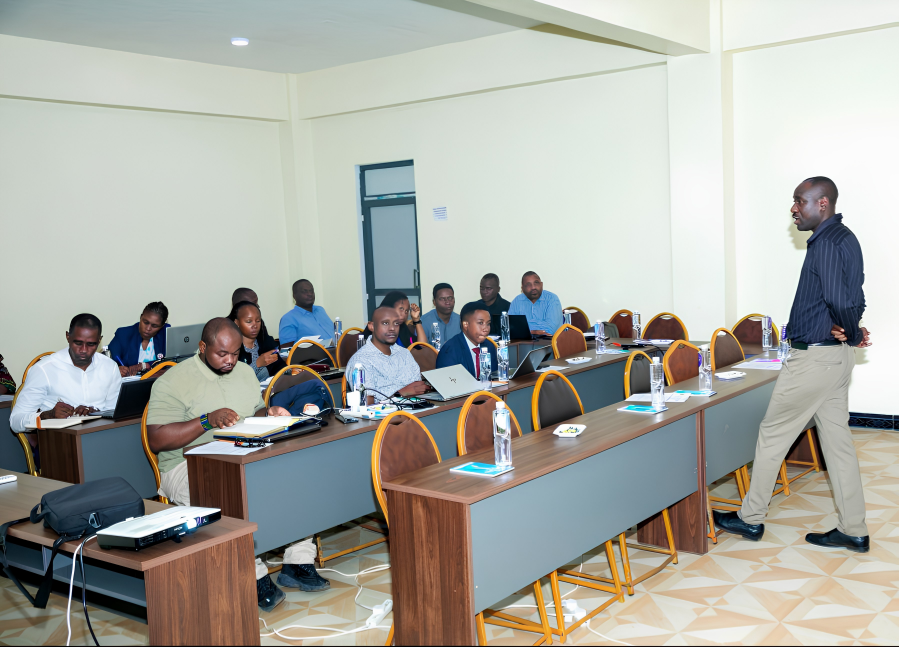
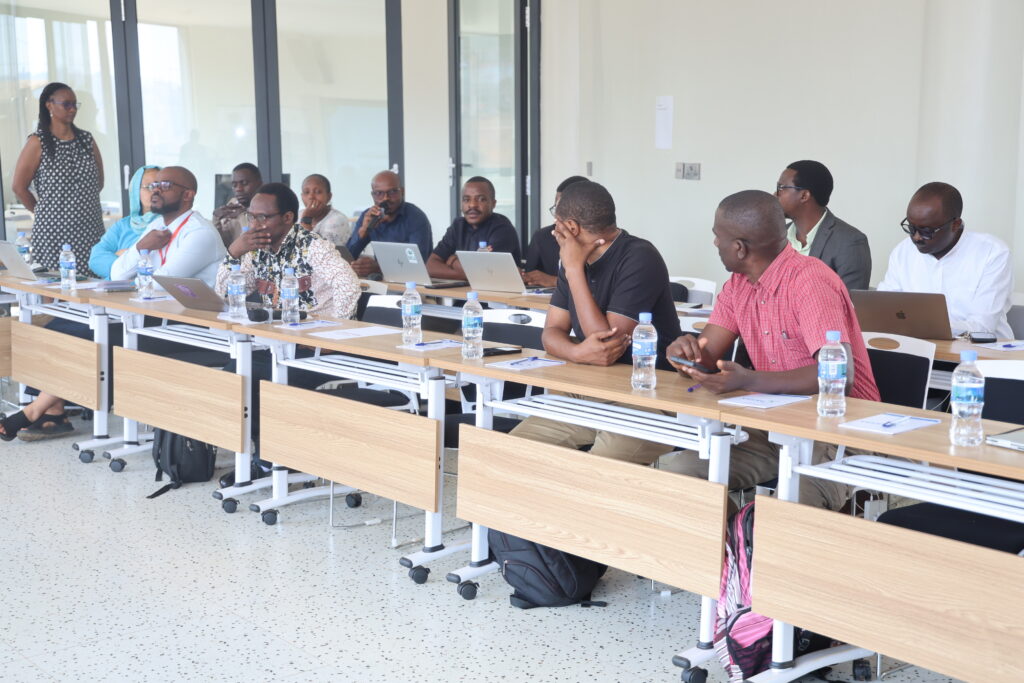
Photo: Dr. Obadia Bishoge, Head of the Health Research Regulation Section at NIMR and TRACE Project Coordinator, leading a technical presentation on strengthening ethical review systems and risk-mitigation frameworks.
From 17–19 June 2026, clinical trial reviewers from regulatory authorities and research institutions gathered in Morogoro for an intensive three-day training program. Led by Dr. Obadia Bishoge, Head of Health Research Regulation Section at NIMR and TRACE Project Coordinator, the sessions focused heavily on strengthening ethical and regulatory review processes for clinical trial protocols in Tanzania.
Speaking on behalf of the Director General of TMDA, Mr. Damas Matiko Nyang’anyi (Manager for Clinical Trials Controls and Pharmacovigilance) emphasized that the training was deliberately structured to catalyze systemic excellence. He highlighted that strong Institutional Review Boards (IRBs), well-trained reviewers, and seamless coordination between TMDA and NIMR are foundational to accelerating responsible clinical research and making Tanzania a competitive hub for high-quality global studies.
The comprehensive training successfully built practical competencies among participants in several core areas:
- Regulatory compliance assessment to ensure alignment with national legal frameworks.
- Early identification of potential risks within trial protocols to proactively manage compliance gaps.
- Application of robust ethical standards to human subject research.
- Safeguarding participant protection and safety across the entire lifecycle of a clinical trial.
- Curbing research misconduct and improving benefit-sharing and risk-mitigation frameworks.
Traditional Medicine Guidelines Consultation
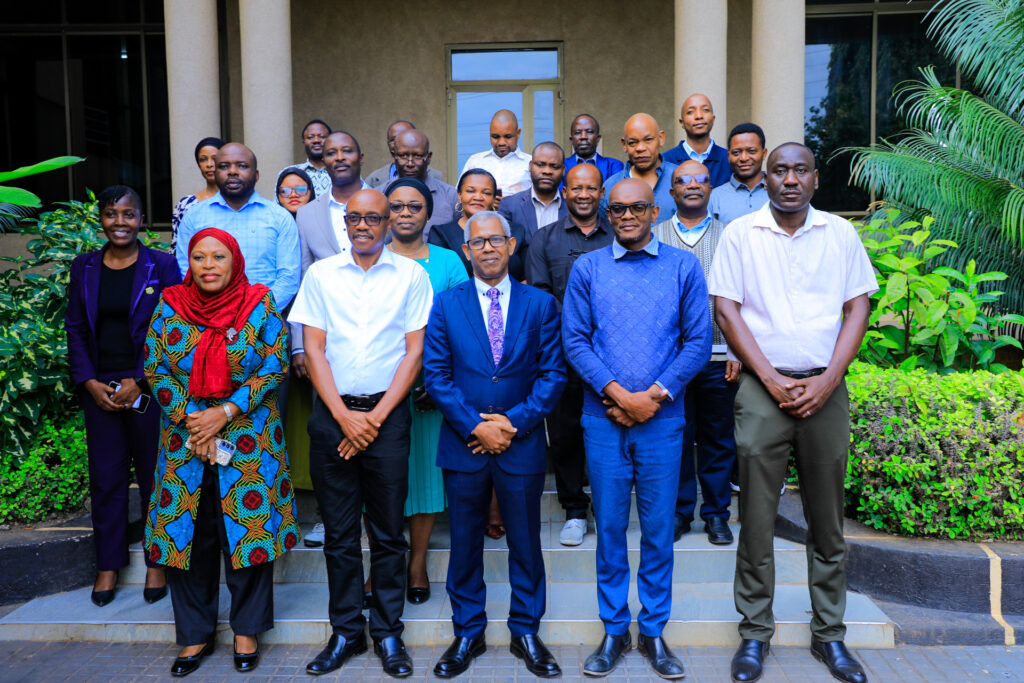
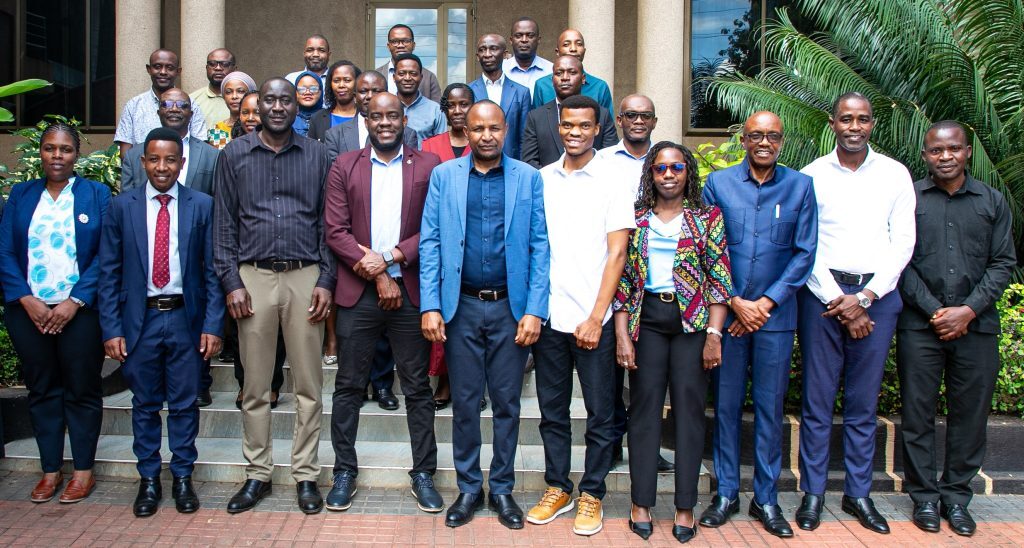
Group photo: National Institute for Medical Research (NIMR) Director General Prof. Said Aboud (centre) with government, university, and regulatory stakeholders at the Harmonization Meeting for Traditional Medicine Research Guidelines in Morogoro, 22 June 2026.
Following the reviewer training, NIMR initiated a pivotal stakeholders’ harmonization meeting on 22 June 2026 in Morogoro to review the draft Traditional Medicine Research Guidelines. Traditional medicine remains a primary source of healthcare for many Tanzanians, reinforcing an urgent need for rigorous research frameworks that generate reliable data on safety, efficacy, and product quality.
The consultation brought together a diverse group of stakeholders, including government institutions, regulators, universities, researchers, healthcare providers, traditional medicine practitioners, and development partners.
Opening the meeting, NIMR Director General Prof. Said Aboud underscored that the new guidelines are designed to foster scientific rigor and ethical conduct while supporting the development of safe, evidence-based traditional medicine products.
“These guidelines go beyond regulations. They are about building a stronger research ecosystem grounded in scientific excellence, ethics and responsible innovation,” stated Prof. Aboud.
Dr. Obadia Bishoge added that this consultative framework is central to refining oversight processes and optimizing coordination between researchers, practitioners, and regulators. Crucially, the guidelines seek to dual-achieve the preservation of traditional knowledge and its structured integration into an evidence-based national health system.
Looking Ahead
The discussions and insights generated from these two landmark events will directly shape the final guidelines and governance frameworks for health research in Tanzania. Through the ongoing momentum of the TRACE Project, NIMR and TMDA reaffirm their commitment to strengthening sustainable, ethical, and highly efficient regulatory systems that support both national development and global health excellence.