Harare – June, 2026
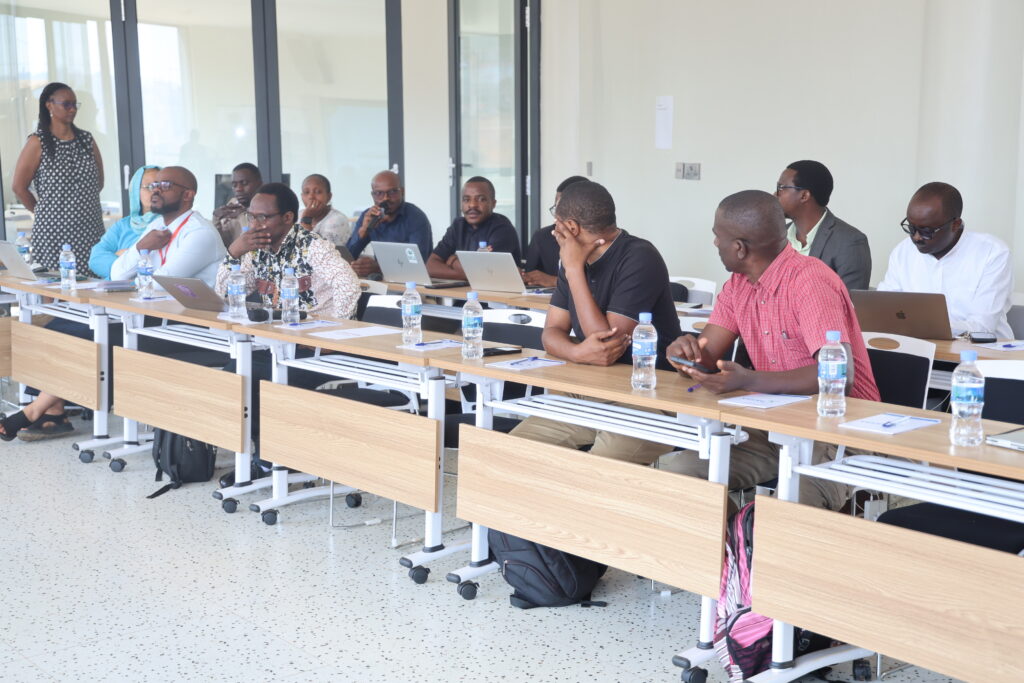
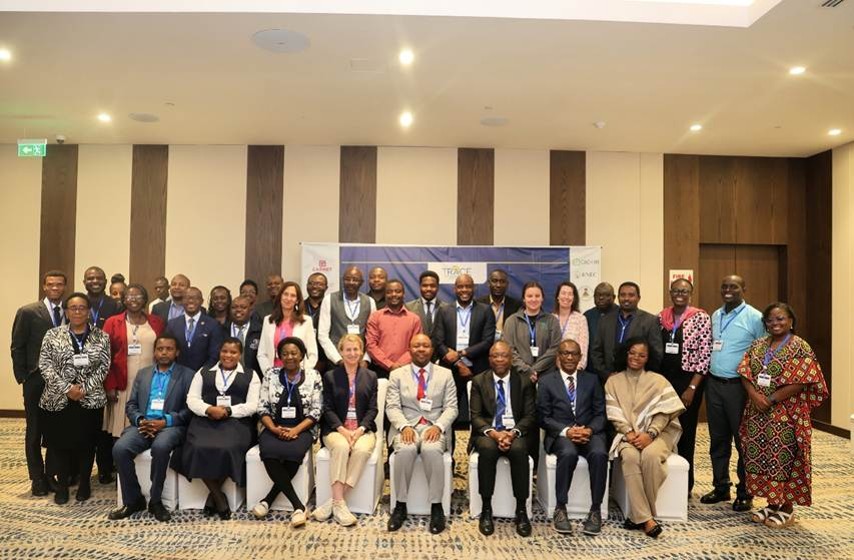
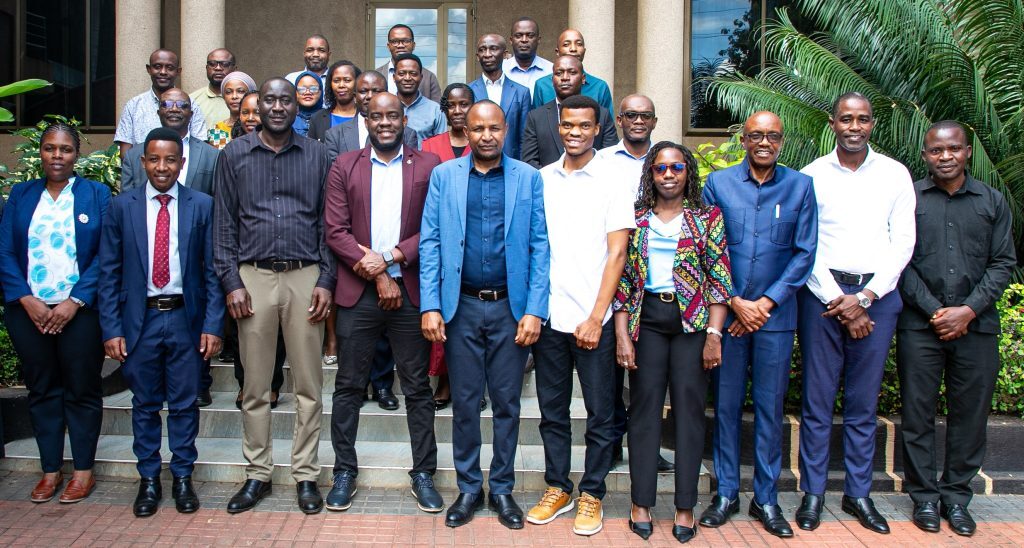
Moving toward the final months of its second year, the TRACE Project has officially entered a high-execution phase of national implementation. This momentum was on full display in early June during an intensive four-day face-to-face core group meeting in Harare, Zimbabwe. Bringing together delegations from all five participating nations, the convening served as a powerful testament that clinical trial oversight can no longer operate in institutional silos but must instead thrive on robust regional collaboration.
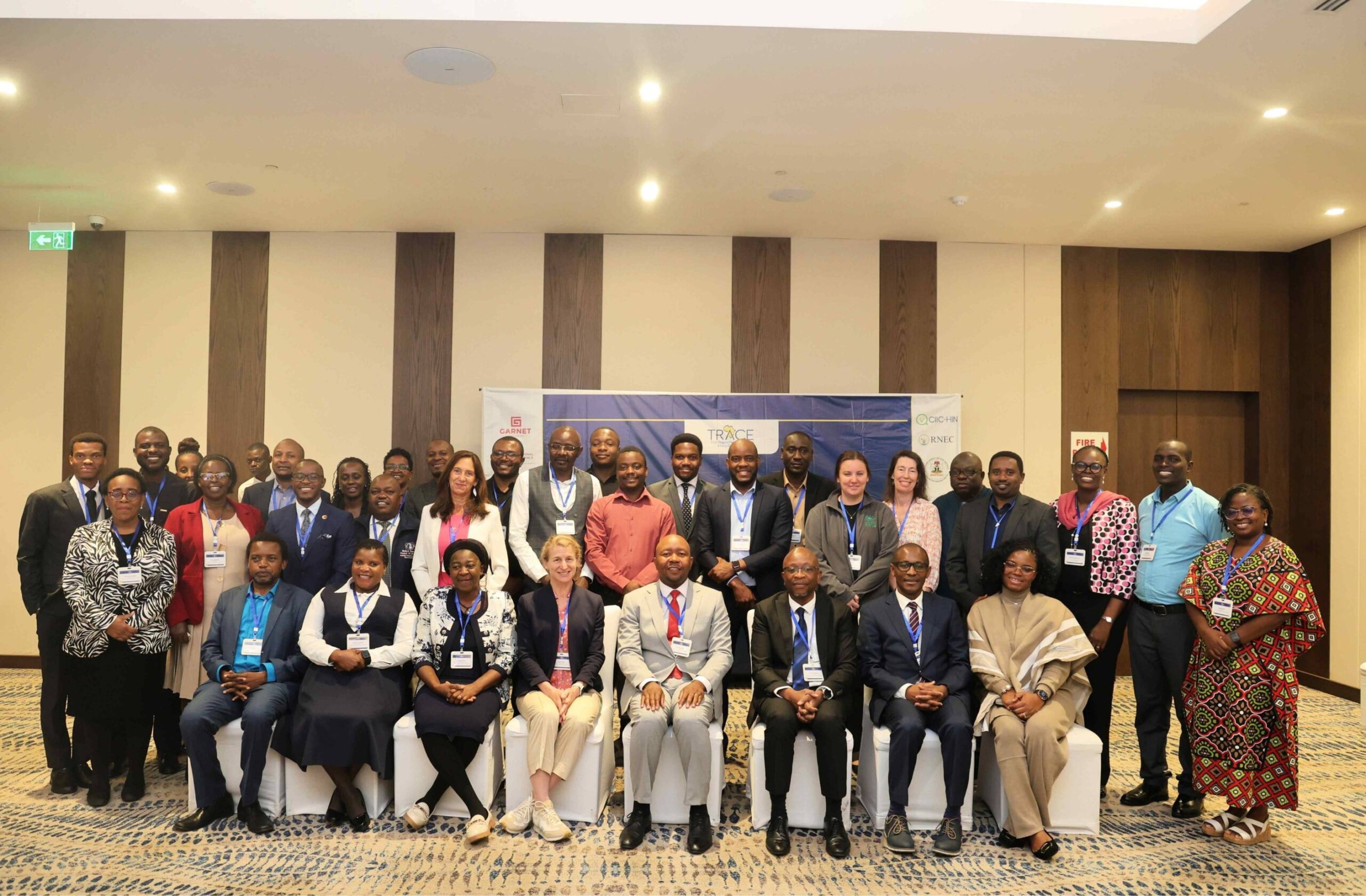
The strategic urgency of these cross-border reforms was underscored during the opening sessions. Distinguished Zimbabwean guests of honor, including Dr. Aspect J.V. Maunganidze, the Permanent Secretary of the Ministry of Health and Child Care, and Richard Tendayi Rukwata, the Director General of the Medicines Control Authority of Zimbabwe (MCAZ), signaled deep governmental commitment to building a world-class regulatory ecosystem. Framing the continental vision, Dr. David Mukanga, Deputy Director for Africa Regulatory Systems at Gates Foundation, contrasted Africa’s historically fragmented regulatory landscape with highly coordinated global markets. He emphasized that building efficient, predictable, and united regulatory systems is absolutely essential for the region to transition from a generic supplier to a major destination for biopharmaceutical innovation and global clinical trials.
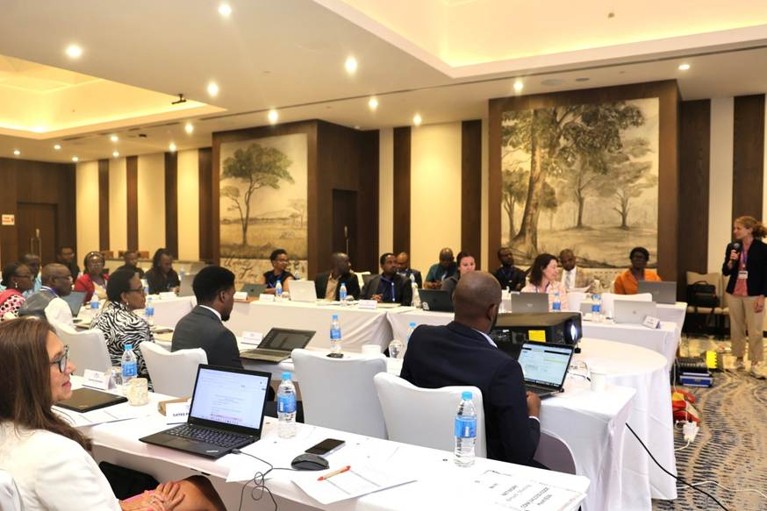
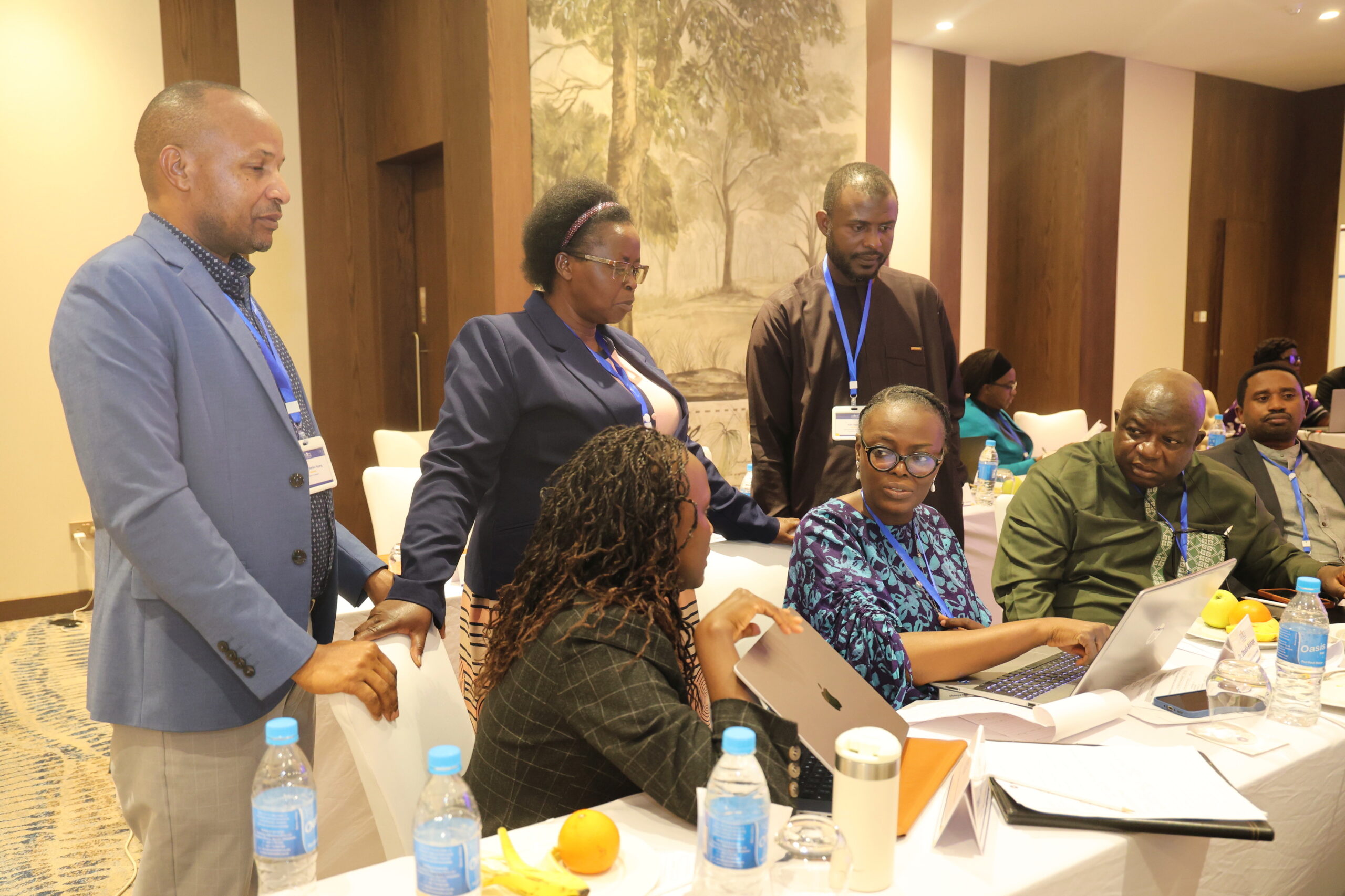
Through a series of target-driven workshops, the core delegations successfully bypassed theoretical discussions to deliver concrete, non-perishable structural milestones across the core project workstreams. The sessions focused heavily on aggressively reducing clinical trial review timelines, identifying and eliminating operational bottlenecks, and harmonizing standard operating procedures across the continent. A major thematic focus was placed on digital systems interoperability, ensuring that ethics and regulatory platforms can seamlessly communicate to provide real-time visibility into trial statuses. Furthermore, recognizing the vital role of public trust and community protection in clinical research, the core delegation established a binding mandate requiring every participating National Ethics Committee to develop and issue separate, dedicated Community Engagement guidelines for local investigators.
As the four-day regional convening concluded, the participating country delegations solidified their forward momentum by formally adopting three core strategic operational priorities. Rather than treating these as passive goals, the leadership team outlined them as binding regional roadmaps to ensure the sustainable and rapid evolution of African clinical trial health security:
- Driving Execution Efficiency: The consortium committed to streamlining cross-border institutional workflows and eliminating repetitive financial reporting deadlocks to ensure zero operational delays.
- Amplifying Public Success Stories: The delegations agreed to actively communicate national achievements transparently, ensuring that Africa’s structural progress is showcased to global partners.
- Disciplined Program Timelines: The teams pledged to maintain strict accountability for active execution schedules, ensuring that future sustainability options remain rigorous assets rather than baseline assumptions.
To discover how these national breakthroughs drive our broader continental vision for regulatory convergence, read the TRACE Project Quarterly Newsletter Issue 3 and subscribe to stay updated on our latest milestones.