KIGALI – JULY, 2026
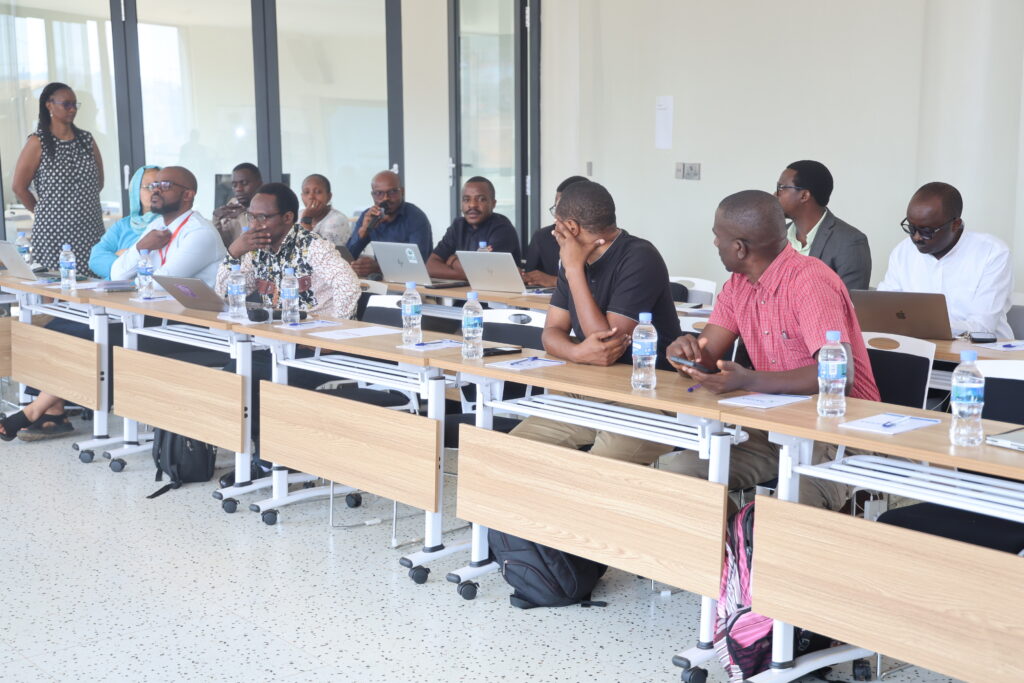
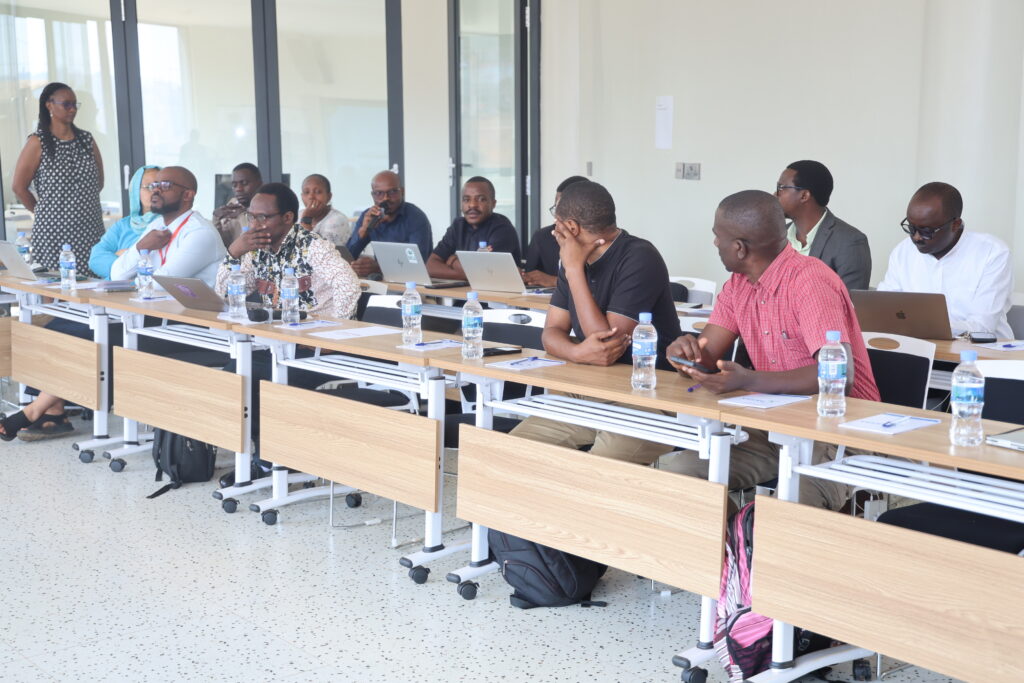
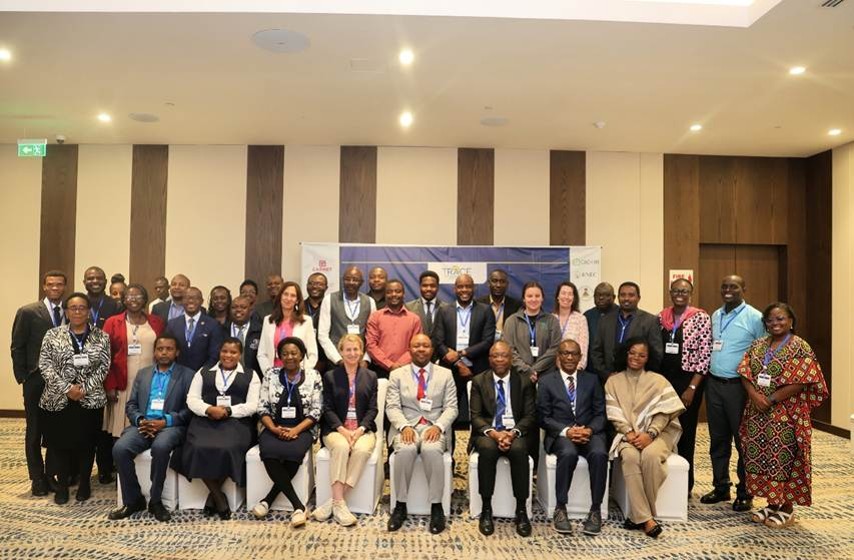
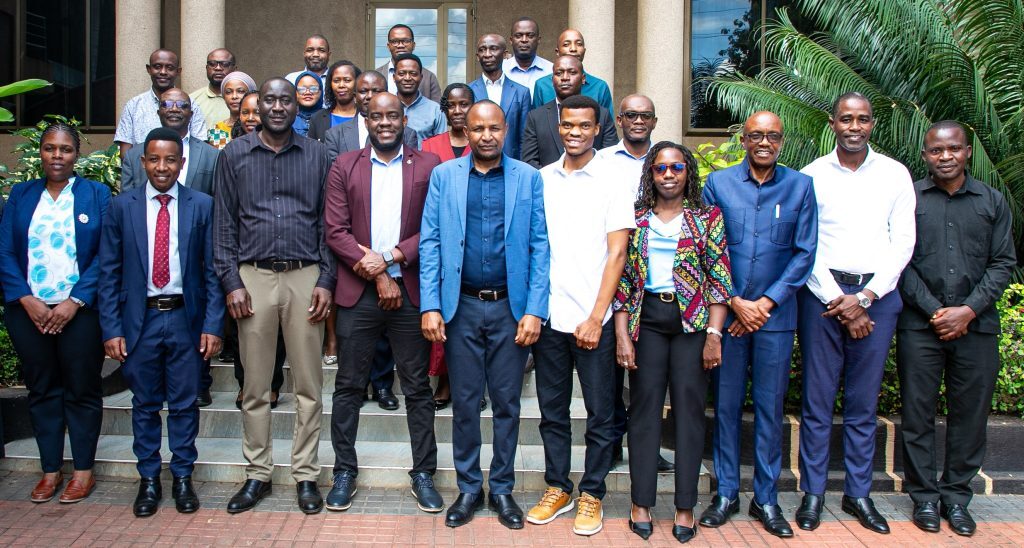
On July 16 and 17, 2026, the TRACE Project successfully hosted a two-day Capacity Building Workshop for Institutional Review Boards (IRBs) across Rwanda. Achieving a 100% attendance rate from invited IRBs, the event underscored a strong national commitment to harmonizing research ethics, optimizing oversight, and advancing research ethics and good clinical practice (GCP).
The workshop provided a critical platform for ethical reviewers to discuss structural frameworks, financial sustainability, and the continuous improvement of clinical trial reviews.
Day 1: Navigating Legal Frameworks and IRB Sustainability
The workshop began with an insightful session led by Dr. Vedaste Ndahindwa, Chair of the Rwanda National Research Ethics Committee (RNEC), detailing Rwanda’s legal and ministerial frameworks for research ethics. A key highlight was his practical walkthrough of the newly revamped RNEC website, an upgrade supported by the TRACE Project. By showcasing accessible Standard Operating Procedures (SOPs), templates, forms and review calendars, Dr. Vedaste championed a collaborative approach; urging local IRBs to adapt these existing national resources rather than reinventing the wheel.
A pivotal discussion emerged around the financial independence and sustainability of IRBs. Participants engaged in dialogue regarding appropriate fee structures and access to protocol review fees. Dr. Vedaste noted that RNEC is prepared to advocate for institutions to establish separate accounts, empowering IRBs to manage funds independently to support their critical routine operations.
Furthermore, the concept of IRB accreditation was introduced to the attendees. The initiative was exceptionally well-received, viewed as a necessary step to strengthen quality, accountability, and standardization across the board.
Day 2: Ethical Principles, GCP, and Digital Integration
The second day shifted focus to the foundational principles of ethical research and GCP. The technical sessions included:
- Research Ethics Principles: Marie Angèle Ikuzwe, TRACE Rwanda Project Coordinator, delivered an in-depth session on the core tenets of global health research and how these translate into daily oversight and accountability.
- Foundations of Good Clinical Practice (GCP): Dr. Alphonse Ndayambaje, Team Lead Clinical Trial Analyst and Lead GCP Inspector at Rwanda Food and Drugs Authority (Rwanda FDA), provided a critical look at GCP within regulatory frameworks. He detailed the responsibilities required to uphold GCP standards, the nuances of the informed consent process (from disclosure to proper documentation), and the key elements of clinical trial protocols.
Key Takeaways and Moving Forward
The dynamic two-day event concluded with actionable steps for all participating institutions:
- Harmonize Standards: Align local IRB standards and SOPs with national laws, recognizing the significant weight and responsibility of running an effective IRB.
- Prepare for WHO Maturity Assessments: Strengthen documentation practices to prepare for upcoming Institutional Maturity Level assessments and potential accreditation.
- Ensure Financial Autonomy: Advocate for sustainable financing models and institutional investment to guarantee effective, uninterrupted IRB operations.
- Expand Education: Extend Good Clinical Practice (GCP) training beyond committee members to include students and lead investigators.
- Foster Collaboration: Maintain strong collaboration between RNEC and institutional IRBs to build a cohesive national oversight ecosystem.
The workshop officially closed with remarks from Dr. Nathalie Umutoni, Managing Director of PACT Solutions, who commended the participants for their enthusiastic engagement. She challenged the attendees to take the insights gained back to their respective institutions to fortify their ethics systems.
With exceptional feedback from attendees and a unified vision for the future, the TRACE Project continues to build the foundations necessary to support ethical, world-class clinical research in Rwanda and across Africa.
To stay updated on the TRACE Project’s upcoming training sessions and milestones across our partner nations, subscribe to our quarterly newsletter or explore our Learning Zone.