Tanzania

Clinical trials in Tanzania have grown steadily over the past decade, reflecting the country’s increasing commitment to addressing both communicable and non-communicable diseases through research. Although Africa contributes only about 2% of registered global clinical trials, Tanzania has become one of the more active countries in the region, particularly in HIV, tuberculosis, malaria, and maternal and child health research.

Country Background

The regulatory framework for clinical trials in Tanzania is robust, involving multiple layers of oversight to ensure ethical standards and participant safety:

  • Tanzania Medicines and Medical Devices Authority (TMDA): Main authority responsible for authorization, oversight, and inspection of clinical trials, established under the Tanzania Medicines and Medical Devices Act, 2003 (Cap 219).
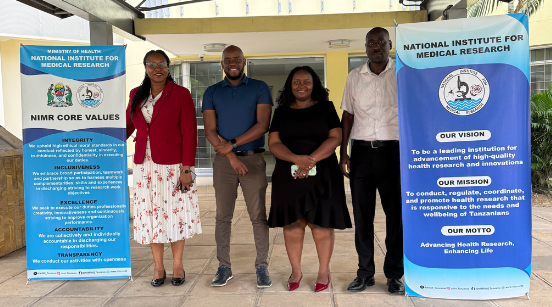
  • National Institute for Medical Research (NIMR) through the National Health Research Ethics Committee (NHREC): Reviews and grants ethical clearance for all clinical trials prior to TMDA approval. Local Institutional Review Boards (IRBs) support this process by ensuring cultural and contextual considerations are addressed.
  • Tanzania Commission for Science and Technology (COSTECH): Provides permits for foreign investigators and ensures alignment of externally led trials with national priorities.
  • Chief Government Chemist Laboratory Agency (GCLA): Regulates human DNA research, including laboratory registration and oversight of the national DNA database.
  • The Minister of State in the President’s Office-Regional Administration and Local Government (PO-RALG): Provides permits for working in the local authorities/areas.


To enhance efficiency, Tanzania has adopted digital platforms:

  • National Research Ethics Information Management System (NREIMS): An online system for submission, evaluation, and tracking of ethical clearance applications.
  • Regulatory Information Management System (RIMS): Used by TMDA to process, track, and approve clinical trial applications.


Approval timelines are guided by client service charters and harmonized with African Vaccine Regulatory Forum (AVAREF) standards:

  • NHREC: 6–8 weeks for standard review; 4 weeks for expedited review.
  • TMDA: 60 working days for normal review; 30 working days for expedited review.   

Despite progress, challenges remain, particularly in funding sustainability, limited trained personnel, and occasional delays in review timelines. Nonetheless, Tanzania continues to strengthen its clinical trial ecosystem through Good Clinical Practice (GCP) and Good Clinical Laboratory Practice (GCLP) inspections, transparent fee structures, and regional alignment.

KPIs and Milestones

  • Significant expansion in clinical research over the past decade.
  • Growth in multi-center trials targeting HIV, TB, malaria, and non-communicable diseases.
  • Establishment of TMDA as the lead regulator.
  • Institutionalization of NHREC under NIMR.
  • GCLA oversight for human DNA research.
  • Strong regulatory basis under the Medicines and Medical Devices Act (2003) and Clinical Trials Control Regulations (2013).
  • NREIMS for online ethical reviews and approvals.
  • RIMS for TMDA submissions, monitoring, and invoicing.
  • NHREC: 6–8 weeks (standard), 4 weeks (expedited).
  • TMDA: 60 working days (normal), 30 working days (expedited).
  • Harmonization with AVAREF standards.
  • TMDA fees: $3,000 (standard), $6,000 (fast track), $500 (major amendments), $300 (minor amendments).
  • NHREC fees: $ 300–$5,125 depending on review type.
  • Active IRBs offering localized oversight.
  • Ongoing discussions on adopting a Reliance IRB model for multi-site efficiency.
  • Regular GCP/GCLP inspections by TMDA and NIMR.
  • Implementation of SAE/notifications/memos reporting systems.
  • Alignment with AVAREF and ICH-GCP.
  • Integration of international best practices into local regulatory systems.
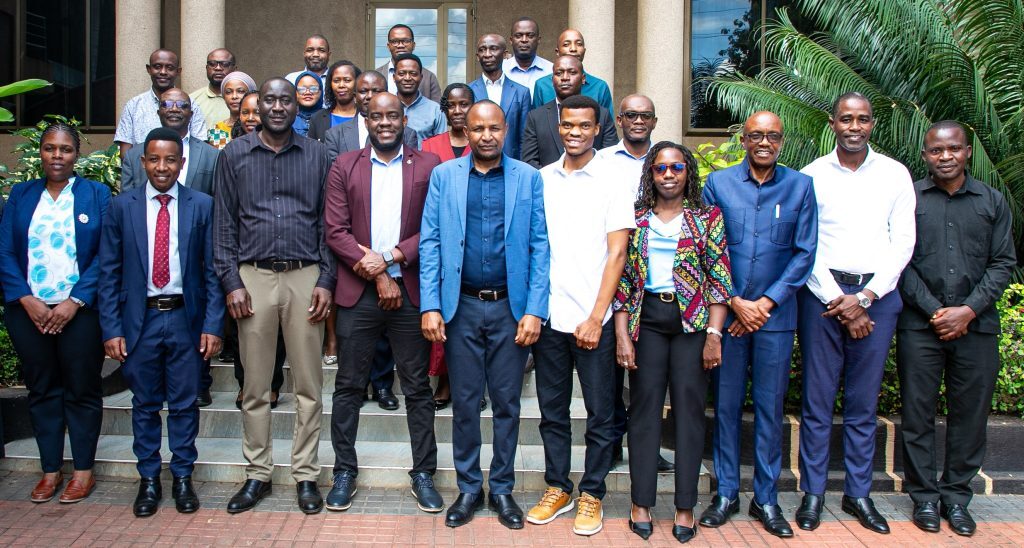
STRENGTHENING CLINICAL RESEARCH GOVERNANCE – INSIGHTS FROM THE TRACE SCOPING MISSION

STRENGTHENING CLINICAL RESEARCH GOVERNANCE – INSIGHTS FROM THE TRACE SCOPING MISSION

DAR ES SALAAM - JANUARY 28, 2025. A scoping mission in Tanzania has provided critical…

Our Contact