Rwanda

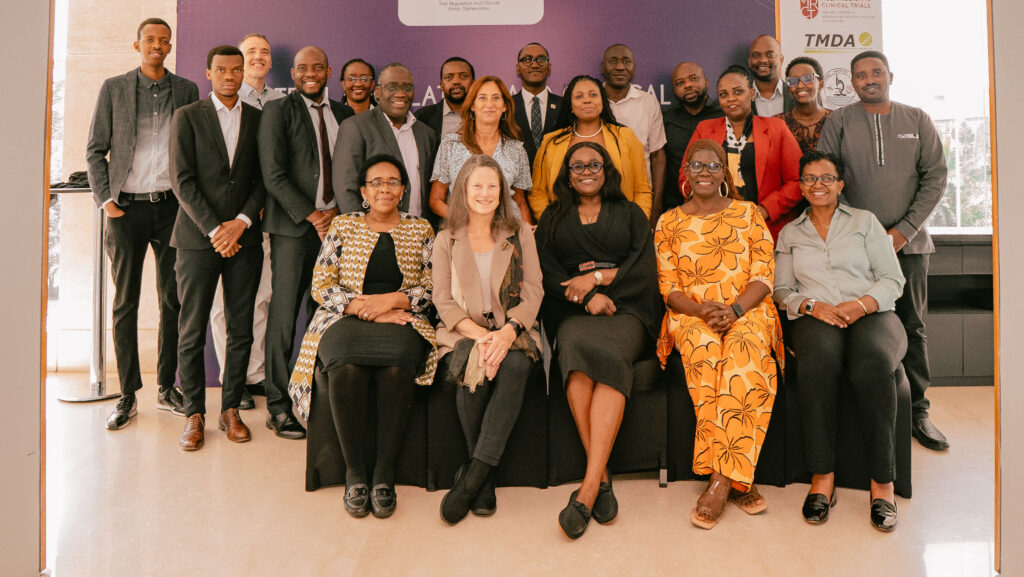
TRACE project in Rwanda is being implemented by CIIC-HIN in collaboration with The Rwanda Food and Drugs Authority (Rwanda FDA) and The Rwanda National Research Ethics Committee (RNEC). The country is advancing a national agenda for ethics reform, regulatory strengthening, and digital transformation, positioning itself as a regional leader in clinical research oversight.

Country Background

Rwanda has made significant progress in modernizing its clinical research governance. Rwanda FDA has achieved WHO Maturity Level 3 (ML3) regulatory status, demonstrating that its systems meet essential benchmarks for medicines and clinical trials oversight. RNEC operates under Law No. 015/2022 and Ministerial Order 002/MoH/2023, establishing a strong mandate for national coordination of ethics review. In 2025, RNEC completed a comprehensive update and harmonization of its national SOPs to align with WHO, ICH-GCP, CIOMS, and AVAREF frameworks, strengthening transparency, timelines, and legal compliance. Rwanda’s clinical research ecosystem is growing steadily particularly in vaccines, genomics, digital health, and multi-country trials. Continued investments in capacity building, digital systems interoperability, and sustainable financing are key to consolidating progress and enabling Rwanda to participate fully in regional and global research platforms.

KPIs and Milestones

  • National ethics SOP package completed and aligned with Law 015/2022 and Ministerial Order 002/2023.
  • SOPs harmonized with AVAREF standards, WHO guidelines, and ICH-GCP.
  • Integrated checklists, templates, decision letters, and review tools across all RNEC workstreams.
  • Full legal cross-mapping completed to streamline RNEC operations and IRB reporting obligations.
  • Digital platform gap analysis, user requirements, and technical specifications completed (URS & TS).
  • RNEC–Rwanda FDA interoperability pathway drafted, including workflow linkages and data-exchange points with IRIMS.
  • Technical specifications validated with cybersecurity, data privacy, and DPP Law compliance requirements.
  • National architecture anchored in a unified ethics–regulatory digital ecosystem.
  • National training matrix developed with 15 targeted modules, including AVAREF assessor training, GCP, biomedical ethics, pharmacovigilance, IRB accreditation, reliance, and digital/AI ethics.
  • Curriculum co-designed with the MRCT Center; aligned with WHO Academy, AVAREF, and ICH guidelines.
  • Capacity development plan tied to WHO Ethics Benchmarking indicators.
  • Initial cost-recovery model and fee structure drafted to support long-term RNEC sustainability.
  • Rwanda FDA and RNEC collaborating on integration of review fees into the future digital platform.
  • Financial data consolidation ongoing to finalize the national sustainability workbook.

Based on the WHO Ethics Benchmarking Tool (EBT) assessment, Rwanda:

  • Scored strongly in Legal Provisions and RNEC Procedures.
  • Partially met indicators identified in:
    • Government support to RECs,
    • Resources & infrastructure,
    • Transparency (public posting of procedures, funding sources),
    • Complaint mechanisms,
    • Monitoring and performance audits

As a result, a national action plan was developed to address the nine identified gaps and implement improvements through TRACE activities.

ADVANCING COORDINATION AND NEXT STEPS

ADVANCING COORDINATION AND NEXT STEPS

KIGALI – JULY 5, 2025 The TRACE Core Team meet in Kigali. The three-day in-person…

TRACE PROJECT SCOPING MISSION IN RWANDA

TRACE PROJECT SCOPING MISSION IN RWANDA

KIGALI – DECEMBER 13, 2024 The TRACE project scoping mission was held in Kigali on…

Our Contact